
How to Maximize Returns on Luxury Real Estate in Maui

Sara Romvari
Maximizing luxury property ROI requires more than buying a beautiful home in a desirable location. In Maui, the strongest returns often come from scarcity, disciplined acquisition, legal use flexibility, carrying cost control, and a clear exit strategy.
If you want to maximize luxury property ROI, you need to evaluate the full return profile of the asset, not just its purchase price or potential rental income. The best luxury acquisitions support lifestyle goals, preserve capital, and remain highly desirable when it is time to sell.
Quick Answer: How Do You Maximize Luxury Property ROI?
To maximize luxury property ROI, focus on scarce locations, accurate micro-market data, disciplined entry pricing, legal rental potential, controlled holding costs, strategic improvements, tax-efficient ownership, and strong resale positioning.
In Maui, that means comparing active, pending, and sold properties by district, subdivision, and property type before making an offer.
Key Takeaways for Maximizing Luxury Property ROI
- Luxury property ROI should include appreciation, rental income, tax efficiency, holding costs, exit liquidity, and lifestyle value.
- Maui is not one uniform market. Wailea, Makena, Kapalua, Kihei, Kula, Haiku, and Paia can each produce different return profiles.
- Scarcity often matters more than raw square footage. Ocean proximity, protected views, privacy, acreage, and fee simple ownership can create stronger resale demand.
- Buyers should verify rental rules, HOA restrictions, insurance costs, maintenance exposure, and tax implications before assigning income value.
- Real-time listing alerts and subdivision-level market reports can help investors avoid stale data and identify stronger opportunities faster.
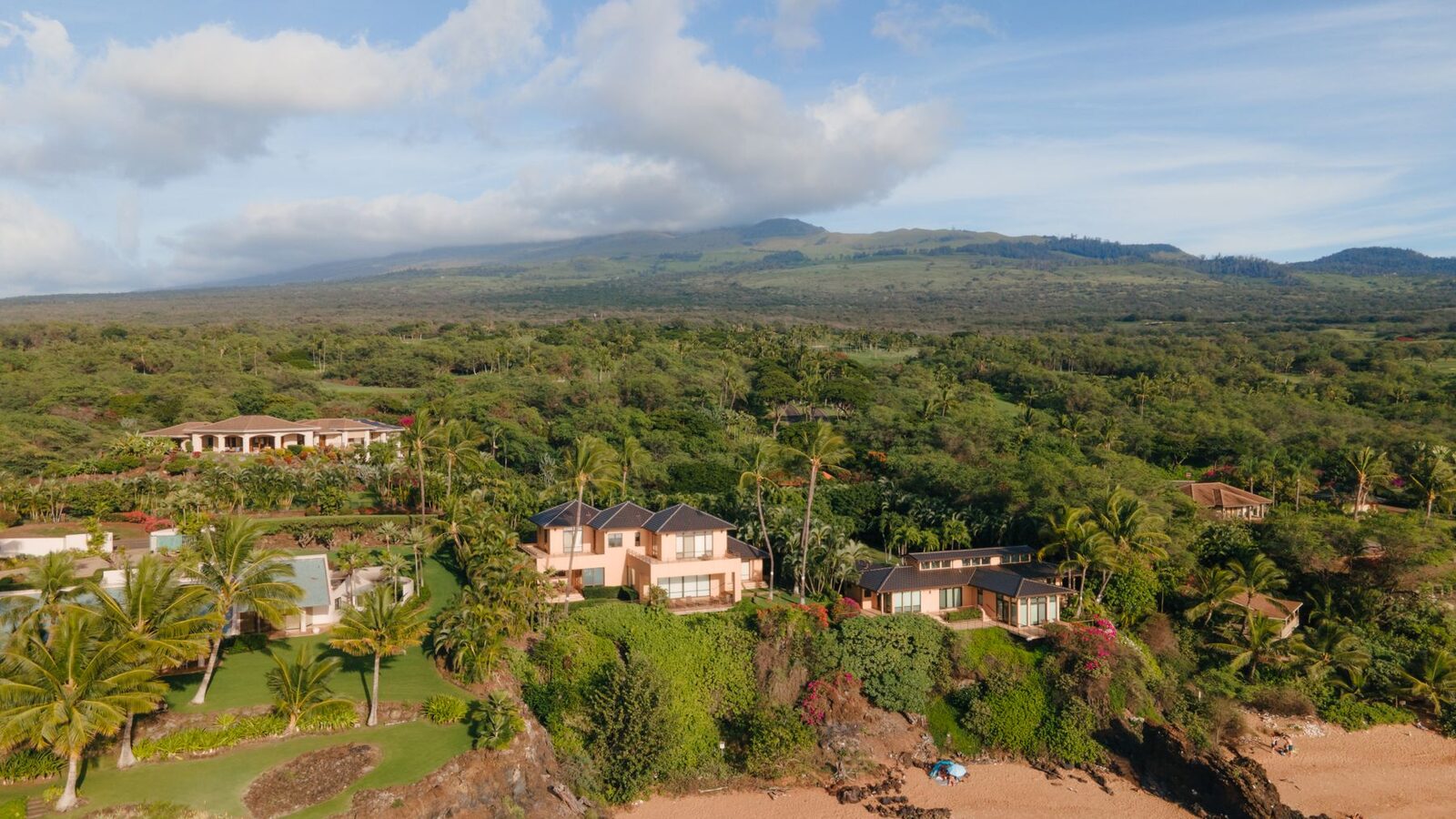
What Luxury Property ROI Really Means
Luxury property ROI is the total return generated by a high-end property after accounting for appreciation, rental income, tax benefits, lifestyle value, holding costs, improvement costs, and resale proceeds.
That definition matters because luxury real estate rarely behaves like a standard investment property. A trophy asset may not produce the highest yield, yet still outperform over time because of scarcity, prestige, privacy, and exit demand.
A Practical Luxury Property ROI Formula
Luxury Property ROI = Net Appreciation + Net Rental Income + Tax Benefits + Lifestyle Value – Acquisition, Holding, Improvement, and Exit Costs
This is a practical way to think about how to evaluate luxury real estate investment returns. Tax benefits should always be reviewed with a qualified CPA or tax advisor.
The Five ROI Categories Worth Tracking
| ROI Category | What It Measures | Why It Matters |
|---|---|---|
| Appreciation ROI | Increase in market value over time | Often the largest return driver in luxury real estate |
| Income ROI | Rental or lease income after expenses | Supports cash flow and offsets carrying costs |
| Tax Efficiency | Depreciation, exchange planning, ownership structure | Can materially improve net return |
| Lifestyle ROI | Personal use, privacy, family utility, wellness | Especially important for second-home buyers |
| Exit ROI | Resale demand and liquidity | Determines how efficiently capital can be recovered |
Why Maui Luxury Property ROI Requires a Micro-Market Strategy
Maui luxury real estate should never be evaluated through island-wide averages alone. Performance can vary significantly by district, subdivision, view orientation, ocean proximity, tenure, and rental eligibility.
A Wailea estate, a Kapalua golf property, a Kihei oceanfront home, and a Kula acreage retreat may all be luxury properties, but they attract different buyers and carry different risks.
What to Review Before You Buy
To maximize real estate investment returns in Maui, I would review:
- Active listings
- Recently sold properties
- Pending and under-contract properties
- Days on market
- List-to-sale price trends
- Price per square foot
- Price per acre
- Oceanfront versus near-oceanfront premiums
- View premiums
- HOA fees and assessments
- New construction supply
- Rental eligibility and restrictions
- Fee simple versus leasehold pricing
Using community-level data is often the difference between paying a scarcity premium intelligently and simply overpaying.
12 Strategies to Maximize Luxury Property ROI
1. Start With the Exit Buyer Before You Buy
The first step in maximizing luxury property ROI is identifying who will want the asset later. A property with broad resale appeal usually offers a better risk-adjusted return than one tailored to a very narrow taste profile.
Ask these questions:
- Who is the likely future buyer?
- Will the property appeal to second-home buyers, relocation buyers, or legacy buyers?
- Is the design too personalized?
- Does the location have broad recognition and desirability?
- Are there comparable sales that support the likely exit value?
A luxury property can feel perfect today and still become difficult to sell later. Exit liquidity matters.
2. Use Real-Time Listing Data to Improve Acquisition Timing
Timing affects return. In luxury markets, well-positioned inventory can move quickly, especially when pricing is disciplined and location attributes are hard to replicate.
Buyers often lose ROI when they:
- Rely on stale portal data
- Miss newly listed inventory
- Wait too long to evaluate pricing anomalies
- Enter negotiations after multiple buyers are already engaged
Maui Just Listed helps solve that problem with live MLS data, saved searches, and just-listed alerts for luxury homes, oceanfront properties, and new construction opportunities.
3. Compare Subdivision-Level Data, Not Just Island-Wide Trends
Hyperlocal analysis is essential if you want to maximize luxury property ROI. Broad Maui averages can hide major pricing and demand differences between neighborhoods.
Focus on:
- Current active competition
- Recent sold comps
- Pending activity
- Days on market
- Ocean view premiums
- Renovated versus original-condition pricing
- Lot size premiums
- Gated versus non-gated demand
- HOA fee differences
This is where market reports become powerful. Comparing active, under contract, and sold inventory in specific communities gives you better acquisition discipline.
4. Prioritize Scarcity Over Size
The highest ROI in luxury real estate often comes from attributes that are difficult to reproduce. Bigger is not always better.
Features that can increase luxury property ROI include:
- True oceanfront positioning
- Protected ocean views
- Walkability to beach access
- Gated privacy
- Large usable acreage
- Resort proximity
- Golf frontage
- Fee simple ownership
- Legal rental flexibility
- Strong architecture
- Indoor-outdoor living
- Limited competing inventory
In Maui, scarcity shows up differently by area. Wailea and Makena may command premiums for resort lifestyle and beach access. Kapalua and Napili may appeal through golf, views, and West Maui positioning. Kula can offer privacy, land, and panoramic elevation advantages. Haiku and Paia attract buyers focused on North Shore lifestyle and seclusion.
5. Validate Rental Potential Before Assigning Income Value
Luxury rentals do not automatically improve ROI. They improve ROI only when the property is legally rentable, accurately underwritten, and professionally managed.
Before using projected rental income in your model, verify:
- Short-term rental rules
- County zoning and permit requirements
- HOA restrictions
- Minimum rental periods
- Occupancy assumptions
- Seasonality
- Management fees
- Cleaning and maintenance costs
- Insurance implications
- Furnishing and reserve costs
Rental rules and short-term rental policies can change. Buyers should verify current regulations with Maui County, review governing documents, and consult qualified legal and tax advisors before making income assumptions.
6. Underwrite Carrying Costs Aggressively
Luxury property ROI is often damaged by underestimating ownership costs. This is especially true for oceanfront and resort-area properties.
| Cost Category | Why It Matters for ROI | What to Verify Before Buying |
|---|---|---|
| Insurance | Can materially affect net returns | Flood, wind, fire, liability, rental use |
| HOA Fees | Reduce net return | Monthly dues, reserves, assessments |
| Maintenance | Luxury finishes are expensive to preserve | Vendor access, replacement timelines |
| Landscaping | Large estates require ongoing care | Irrigation, slope, labor, privacy plantings |
| Property Management | Critical for off-island owners | Scope, reporting, response time |
Also include:
- Property taxes
- Pool and spa service
- Utilities
- Pest control
- Security
- Capital reserves
- Storm preparation
- Salt-air maintenance
- Roof and exterior upkeep
- Appliance and system replacement
Disciplined cost modeling protects control, privacy, and peace of mind.
7. Use Renovations Strategically, Not Emotionally
The best improvements for luxury property resale value are usually the ones that expand buyer demand, reduce objections, and improve durability.
High-ROI improvement categories often include:
- Updated kitchens
- Spa-style bathrooms
- Indoor-outdoor entertaining spaces
- Outdoor kitchens
- Pools and wellness features
- Smart home systems
- Security enhancements
- Energy-efficient systems
- Coastal-grade materials
- Low-maintenance landscaping
- Flexible guest suites
Lower-ROI upgrades often include overly personalized design, trend-heavy finishes, and projects that overbuild for the neighborhood.
Choose improvements that match the likely resale buyer, not just current taste.
8. Protect the Downside With Deeper Due Diligence
Luxury property ROI is maximized not only by increasing upside, but by eliminating avoidable downside before closing.
Key due diligence areas include:
- Title review
- Survey and boundaries
- Easements and access
- HOA documents
- Permit history
- Renovation history
- Structural inspections
- Roof and waterproofing
- Flood zone status
- Drainage and slope conditions
- Water source
- Septic or wastewater systems
- Zoning restrictions
- Rental restrictions
- Insurance availability
Avoiding one major hidden issue can preserve more value than a minor pricing win.
9. Understand Fee Simple Versus Leasehold Tenure
Ownership structure has a direct impact on luxury home investment strategy. In Maui, some buyers will encounter both fee simple and leasehold opportunities.
Fee simple generally means ownership of both land and improvements. Leasehold means the underlying land is not owned outright, which can affect:
- Buyer pool size
- Financing options
- Ground rent
- Remaining lease term
- Resale liquidity
- Appreciation assumptions
If your goal is to maximize luxury property ROI over a long hold period, tenure deserves close attention early in the process.
10. Structure Ownership and Taxes Before Closing
Ownership and tax planning should happen before acquisition, not after. The right structure can improve privacy, liability protection, estate coordination, and net return.
Topics worth reviewing with advisors include:
- LLC or trust ownership
- 1031 exchange planning
- Depreciation
- Rental-use tax treatment
- Capital gains planning
- Property tax classification
- Liability protection
- Financing structure
- Estate planning considerations
This article is for informational purposes only and is not tax, legal, or financial advice. Buyers should consult qualified advisors before choosing an ownership or tax strategy.
11. Manage the Property Like a Portfolio Asset
For off-island owners, property management is not merely a convenience. It is a return-protection strategy.
Professional management should include:
- Preventive maintenance
- Scheduled inspections
- Vendor coordination
- Storm preparation
- Security monitoring
- Landscape oversight
- Pool and spa care
- Housekeeping oversight
- Financial reporting
- Capital improvement planning
- Emergency response protocols
Poor management can lead to deferred maintenance, water damage, guest issues, owner stress, and lower resale value.
12. Plan the Exit Strategy Before the Exit
ROI is ultimately realized at sale, refinance, exchange, or transfer. That means exit planning should shape the acquisition strategy from the start.
Before buying, consider:
- Ideal hold period
- Likely future buyer
- Tax consequences
- Renovation timeline
- Seasonal listing strategy
- Furnished versus unfurnished resale
- 1031 exchange options
- Market timing
- Current neighborhood inventory
If you already own a Maui property, Maui Just Listed can help you evaluate active, pending, and sold inventory in your specific neighborhood and request an instant property valuation.
Luxury Property ROI Scorecard
Use this scorecard to compare opportunities more objectively.
| ROI Factor | Score 1–5 Questions to Ask |
|---|---|
| Location Scarcity | Is the location difficult to replicate? |
| View / Ocean Proximity | Are the views protected or truly premium? |
| Resale Demand | Will multiple buyer types want this later? |
| Rental Flexibility | Is rental use legal and practical? |
| Carrying Costs | Are taxes, insurance, HOA, and upkeep manageable? |
| Physical Condition | Are major systems and finishes strong? |
| Improvement Potential | Can value be added without overbuilding? |
| Ownership Tenure | Is it fee simple or leasehold? |
| Privacy / Security | Does it meet high-end privacy expectations? |
| Market Timing | Is inventory tightening or expanding? |
| Exit Liquidity | How easy will it be to resell? |
| Lifestyle Value | Does it support wellness, family use, and legacy goals? |
Scoring guidance:
- 50–60: Strong acquisition candidate
- 40–49: Worth deeper due diligence
- 30–39: Proceed carefully
- Below 30: High risk of underperformance
Common Mistakes That Reduce Luxury Property ROI
The most common mistakes I see are predictable and expensive.
- Using generic market averages: Island-wide data is too broad for many luxury decisions.
- Overpaying for cosmetic luxury: Great staging can hide weak fundamentals.
- Ignoring insurance and maintenance costs: Especially dangerous for oceanfront assets.
- Assuming rental income without verifying rules: Revenue assumptions must be validated.
- Underestimating resale liquidity: Some properties are beautiful but appeal to too few buyers.
- Failing to monitor new inventory: Delayed information reduces negotiating power.
- Buying without an exit plan: Acquisition decisions should be shaped by future disposition.
How Maui Just Listed Helps Investors Evaluate Luxury Property ROI
Maui Just Listed is built for buyers who want faster, cleaner market intelligence.
You can use it to:
- Monitor new luxury listings as they hit the MLS
- Save searches by district, subdivision, price, beds, baths, and property type
- Track luxury, oceanfront, and new construction inventory
- Compare communities through custom market reports
- Review active, under contract, and sold data
- Evaluate whether it may be the right time to sell, refinance, or reposition an asset
For a buyer trying to reduce noise and improve acquisition timing, that type of market visibility matters.
Frequently Asked Questions About Maximizing Luxury Property ROI
How do you maximize luxury property ROI?
Buy in scarce locations, use accurate micro-market data, control acquisition price, verify rental potential, manage carrying costs, make strategic improvements, structure ownership carefully, and plan the exit before closing.
What is a good ROI on a luxury property?
A good ROI depends on your goals. Some buyers prioritize appreciation and scarcity, while others focus on rental income, tax efficiency, or lifestyle utility. The best benchmark is risk-adjusted total return against similar properties in the same micro-market.
Is luxury real estate a good long-term investment?
It can be, especially when the property has strong location scarcity, durable buyer demand, quality construction, manageable carrying costs, and a clear exit path. Returns vary by market, timing, and ownership discipline.
Does oceanfront property produce better ROI?
Oceanfront property can produce strong ROI because of scarcity and buyer demand, but it can also bring higher insurance, maintenance, and regulatory exposure. Net return matters more than headline appreciation.
What are the biggest hidden costs in luxury property ownership?
The biggest hidden costs often include insurance, HOA dues, special assessments, landscaping, pool care, security, storm preparation, salt-air maintenance, property management, repairs, and capital reserves.
Why is micro-market data important for Maui luxury real estate?
Because Maui values can vary sharply by district, subdivision, view quality, ocean proximity, tenure, and rental rules. Island-wide averages often miss the factors that determine actual return.
Final Thoughts: The Best Luxury ROI Comes From Discipline
The best luxury property investors do not rely on emotion alone. They evaluate scarcity, micro-market performance, legal use, carrying costs, ownership structure, management, and exit demand before they buy.
If your goal is to maximize luxury property ROI in Maui, think in terms of total return, not just purchase price or projected rent. Use disciplined market intelligence, monitor new inventory quickly, and compare opportunities at the community level.
Use Maui Just Listed to search Maui luxury properties, track new oceanfront listings, save custom searches, and create market reports for the communities that matter most to your investment strategy.